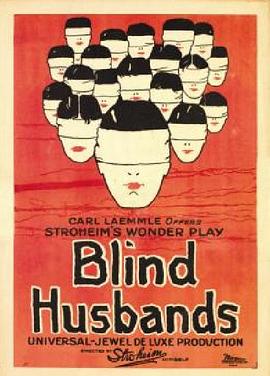
Two differences between this Austrian version and the generally available American version are immediately obvious they differ both in their length and in the language of the intertitles. The American version is only 1,883 metres long - at 18 frames per second a difference of some 7 minutes to the Austrian version with 2,045 metres. Whereas we originally presumed only a negligible difference, resulting from the varying length of the intertitles, a direct comparison has nevertheless shown that the Austrian version differs from the American version both in the montage and in the duration of individual scenes. Yet how could it happen that the later regional distribution of a canonical US silent film was longer than the original version The prevalent American version of Blind Husbands does not correspond to the version shown at the premiere of 1919. This little-known fact was already published by Richard Koszarski in 1983. The film was re-released by Universal Pictures in 1924, in a version that was 1,365 feet (416 metres) shorter. At 18 frames per second, this amounts to a time difference of 20 minutes! Titles were altered, snippets of action removed and at least one major scene taken out entirely, where von Steuben and Margaret visit a small local chapel. (Koszarski) From the present state of research we can assume that all the known American copies of the film derive from this shortened re-release version, a copy of which Universal donated to the Museum of Modern Art in 1941. According to Koszarski the original negative of the film was destroyed sometime between 1956 and 1961 and has therefore been irretrievably lost. This information casts an interesting light on the Austrian version, which can be dated to the period between the summer of 1921 and the winter of 1922. Furthermore, the copy is some 200 metres longer than the US version of 1924. If one follows the details given by Richard Koszarski and Arthur Lennig, this means that, as far as both its date and its length are concerned, the Austrian version lies almost exactly in the middle between the (lost) version shown at the premiere and the re-released one.A large part of the additional length of the film can be traced to cuts that were made to the 1924 version in almost every shot. Koszarski describes how the beginning and the end of scenes were trimmed, in order to speed up the film. However, more exciting was the discovery that the Austrian version contains shots that are missing in the American one - shotscountershots, intertitles - and furthermore shows differences in its montage (i.e. the placing of the individual shots within a sequence). All this indicates that Die Rache der Berge constitutes the oldest and most completely preserved material of the film.
Christa Bright 是一位有抱负的个人造型师,她与新客户 Kat Niven 有即时联系,Kat Niven 是一位需要帮助获得自信的害羞女性。但当凯特对克里斯塔的钦佩变成了纯粹的痴迷时,克里斯塔开始产生怀疑。她很快发现 Kat 是她的未婚夫 Jack 的前女友,她正试图成为 Christa,用一种疯狂的策略来永远赢回 Jack
当年那场惨烈的芝加哥大战,汽车人虽然成功击退了霸天虎的入侵,却也让地球人对他们失去了应有的信任与尊重。由美国中情局组建的“墓风”部队对所有的变形金刚进行无差别的猎杀,一时间汽车人和霸天虎全都在地球不见了踪影。某天,居住在得州的落魄机械发明家凯德·伊格(马克·沃尔伯格 Marky Mark 饰)买回来一辆破旧的卡车车头,谁知那竟是处在休眠中的汽车人首领擎天柱。嗅到气息的墓风部队蜂拥而至,苏醒后的擎天柱救走了凯德一家,也和散落在各个角落的汽车人相继取得联系。另一方面,疯狂的人类科学家从变形金刚的残骸中获知了他们变形的秘密,并企图借此制造出人造金刚,而脱胎自威震天的惊破天正是他们的得意作品以及催命死神。
新一轮的危机卷土而来,地球面临更大的灾难……
On Kate's 21st birthday camping trip, her friends encounter Piglet, a monstrous human-pig hybrid who brutally murders one of them. They uncover Piglet's origins and Kate must confront her past to survive the relentless killer.
本片描述的「邪乎乐园」是由吸血鬼法兰西(Francis Von Bloodt)一手经营的主题乐园,他聘僱的员工都是些狼人、吸血殭尸、木乃伊和恶魔等......与黑魔法有关的生物,某天一个名叫阿克(Hector)的年轻稽查员来访告知「邪乎乐园」不安全必须歇业,法兰西为保住事业咬了阿克,将他变成吸血鬼,因此阿克不得不抛弃普通人的生活,留在乐园里工作,从而认识了好友女巫葛勤儿,但是他心中仍惦记着等待他回家的小女儿露西。
故事发生在一个名叫基尔迪弗洛的小村庄里,随着科技的飞速发展,人们的生活越来越便利快捷,即使是地处偏远的小村庄里也逐渐出现了各式各样的电子产品。在这样一种不可逆转的大趋势中,克劳德(路易·德·菲耐斯 Louis de Funès 饰)和弗朗西斯(让·卡米特 Jean Carmet 饰)显然属于异类,他们崇尚自然的田园生活,凡事亲力亲为,过着日出而作日落而息的生活。
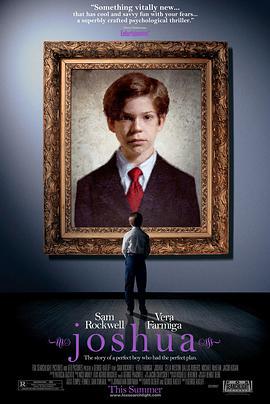
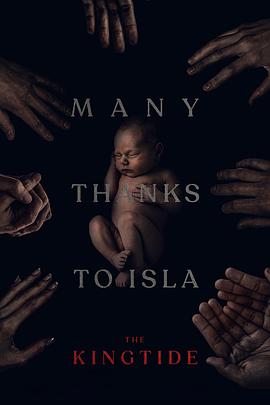
After the mayor of an idyllic island village discovers a child with mysterious powers awash on their shores, the once peaceful community devolves into civil war, torn over the belief that the child is the next saviour.